

What is AI? A Complete Beginner-Friendly Guide
Artificial Intelligence, commonly known as AI, is one of the most important and rapidly growing technologies of our time. It is transforming industries, reshaping businesses, and becoming a part of our everyday lives. Yet, many beginners still struggle to understand what AI really is, how it works, and why it matters.
If you want a simple, clear, and beginner-friendly explanation, this guide is made for you. No technical jargon — only easy language and real-world examples.
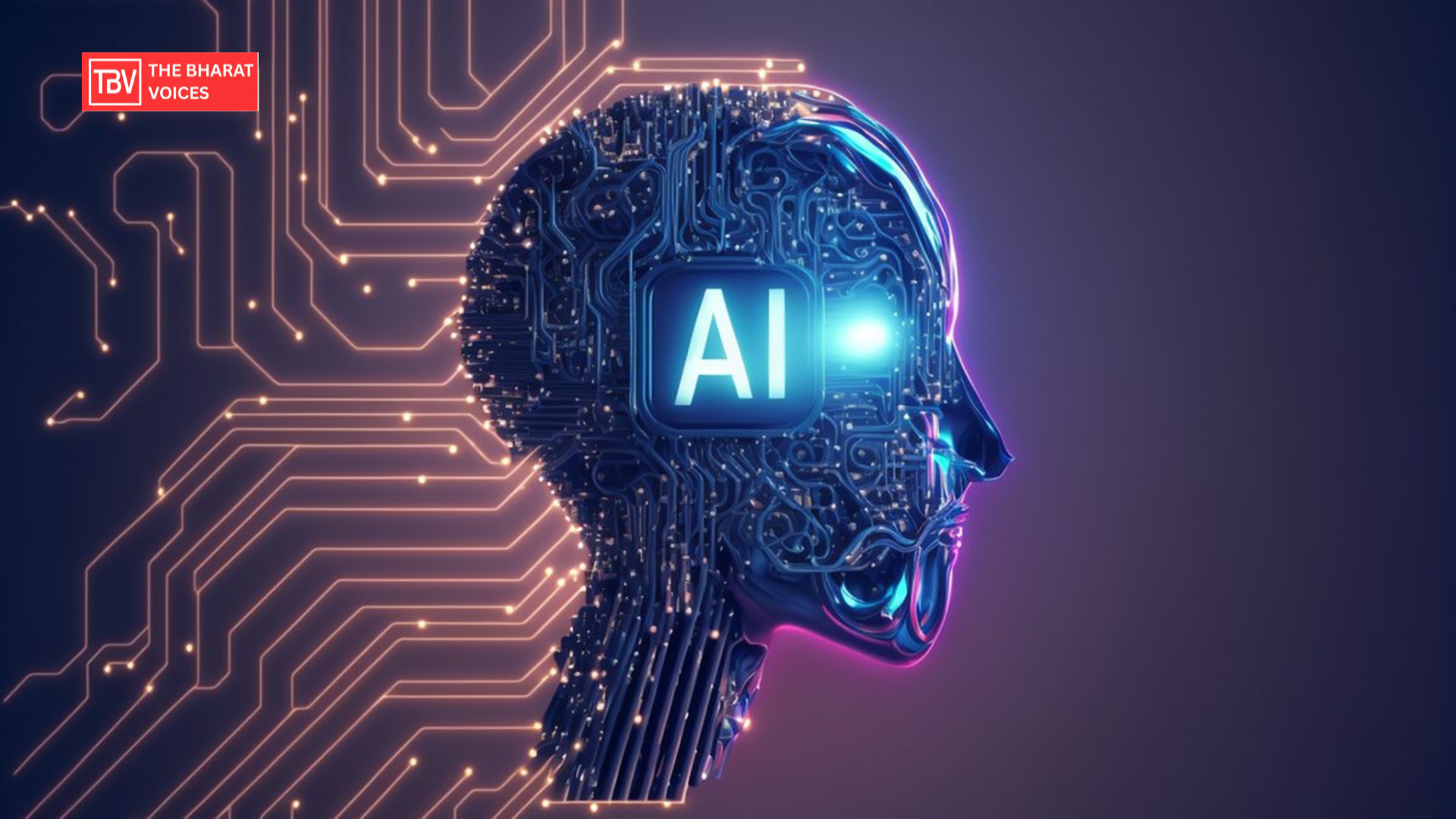
What Is Artificial Intelligence? (Simple Definition)
Artificial Intelligence is a technology that allows machines and computers to think, learn, and make decisions almost like humans.
With the help of data and algorithms, AI systems can:
-
Learn from past experiences
-
Identify patterns
-
Make smart decisions
-
Understand languages
-
Recognize images or faces
-
Solve problems automatically
Just like humans learn from experience, AI learns from data.
Where Do We Use AI in Daily Life?
Most people think AI is only for scientists — but the truth is, you use AI every single day.
1. YouTube, Instagram & TikTok Recommendations
Your feed shows exactly the content you like — AI decides that.
2. Google Maps
Choosing the fastest route, detecting traffic — all done by AI.
3. Face Unlock & Fingerprint Sensors
Your mobile recognizing your face is also AI.
4. E-Commerce Websites
Amazon, Flipkart: “You may also like” section is powered by AI.
5. Chatbots & Virtual Assistants
ChatGPT, Siri, Google Assistant — all AI tools.
6. Banking and Fraud Detection
Banks use AI to detect suspicious transactions.
AI is everywhere. You just don’t notice it.
How Does AI Learn? (Easy Explanation)
AI learns in three major ways:
1. Supervised Learning (Learning with a Teacher)
The model is trained with labeled data.
Example:
-
Cat image → “Cat”
-
Dog image → “Dog”
AI learns to recognize animals by studying thousands of examples.
2. Unsupervised Learning (Self-Learning)
The AI is given raw data without labels and it finds patterns on its own.
Example:
-
Grouping customers by their interests
-
Detecting products people buy together
3. Reinforcement Learning (Learning by Reward & Punishment)
AI learns through trial and error.
Example:
-
A robot learning to walk
-
Self-driving cars learning to drive
Each correct action gives it a reward, wrong action gives a penalty.
Types of Artificial Intelligence
There are three major types of AI:
1. Narrow AI (Weak AI)
AI that is designed for one specific task.
Examples:
-
ChatGPT
-
Google Search
-
Self-driving cars
-
Image recognition
This is the type of AI used today.
2. General AI (Strong AI)
AI that can think and learn like a human in all areas.
This type of AI does not exist yet.
3. Super AI
AI smarter than humans in every aspect.
Still theoretical and not real.
How Does AI Work? (Simple Breakdown)
AI typically works in four steps:
1. Data Collection
AI needs large amounts of data — text, images, videos, numbers, etc.
2. Data Processing
The data is cleaned, organized, and prepared for training.
3. Training the Model
AI learns patterns from the data.
4. Output / Prediction
After training, AI can make predictions or decisions.
Example:
-
Predicting exam scores
-
Recognizing your voice
-
Suggesting videos on YouTube
Advantages of AI
1. High Speed and Accuracy
AI can analyze millions of records in seconds.
2. Works 24/7
No rest, no breaks, no tiredness.
3. Automation of Repetitive Tasks
Saves time and increases productivity.
4. Better Healthcare
AI can detect diseases early and help doctors.
5. Data-Driven Decisions
AI helps businesses grow by analyzing huge datasets.
Disadvantages of AI
1. Job Loss
Some repetitive jobs may be replaced by AI automation.
2. Dependency
People may rely too much on AI.
3. Privacy Concerns
AI systems collect and analyze personal data.
4. Bias Issues
If AI is trained with wrong data, it gives wrong results.
Major Fields of AI
Let’s explore the most important branches of AI.
1. Machine Learning (ML)
ML allows machines to learn from data automatically.
2. Deep Learning
Advanced ML using neural networks that try to work like a human brain.
Used in:
-
Voice assistants
-
Self-driving cars
-
Face recognition
3. Natural Language Processing (NLP)
Helps computers understand human language.
Examples: ChatGPT, Google Translate, Voice assistants.
4. Computer Vision
AI understands images and videos.
Examples:
-
CCTV monitoring
-
Medical scanning
-
Face unlock
5. Robotics
Robots that can perform physical tasks using AI.
Future of AI
AI will dramatically change the next 20 years. Some expected developments:
-
Fully autonomous cars
-
AI-powered teachers
-
AI doctors diagnosing diseases
-
Smart homes and cities
-
Personalized learning
-
AI-generated movies, music, and art
-
More automated businesses
AI will not replace humans.
But humans who learn AI will replace those who don’t.
Will AI Become Dangerous?
Currently, AI is fully controlled by humans.
As long as ethical rules, safety standards, and regulations are followed, AI will continue to help society instead of harming it.
Conclusion
Artificial Intelligence is one of the most powerful technologies ever created. From smartphones to hospitals, from transportation to education — AI is everywhere. Understanding AI will be a crucial skill for everyone in the future.
This beginner-friendly guide explains AI in simple language so anyone can understand how it works and why it matters.
If you are interested in tech, blogging, earning online, or digital skills, learning AI can open massive opportunities for you
