

Technology is changing faster than ever, and one of the biggest revolutions of this decade is 5G, the fifth generation of mobile networks. Many people think 5G only means “faster internet,” but in reality, 5G is more than that. It is a technology that will change industries, transportation, healthcare, education, manufacturing, and even how cities function.
In this beginner-friendly guide, we will understand what 5G really is, how it works, how it is different from 4G, how it will change our lifestyle, what challenges it faces, and what the future of 5G looks like. Everything is explained in simple English so anyone can understand it clearly.
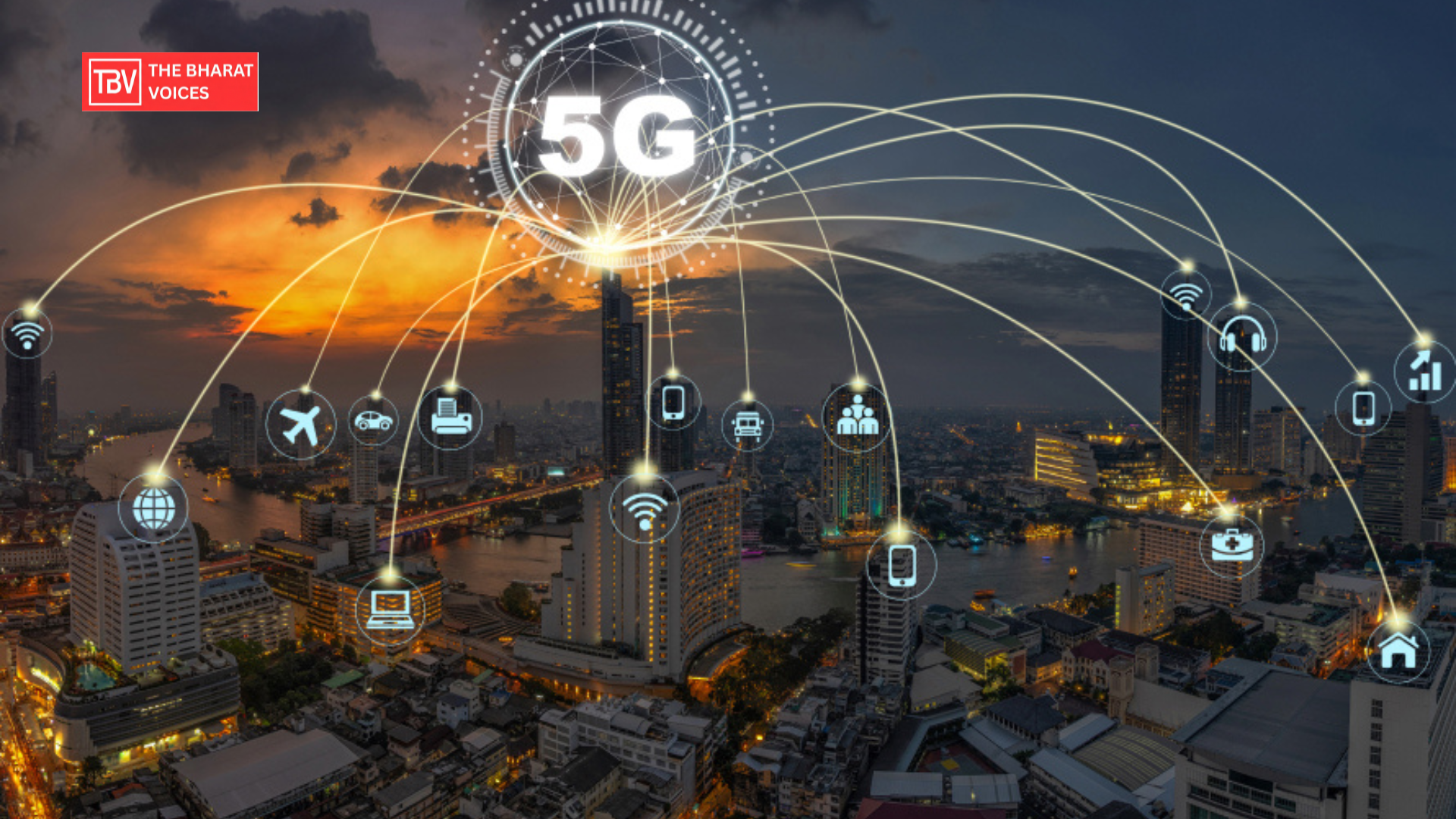
What is 5G? (Simple Definition)
5G stands for fifth generation mobile network. It is the newest and most advanced version of wireless communication designed to provide:
-
Extremely fast internet speeds
-
Very low delay (latency)
-
Better connectivity for millions of devices
-
More stable and reliable networks
-
Support for advanced technologies like IoT, robotics, and AI
Think of 4G as a fast highway.
Now imagine 5G as a 10-lane super express highway where thousands of vehicles (data) can travel at the same time without traffic jams.
How is 5G Different From 4G?
Although 4G brought us video calling, mobile apps, and streaming, 5G takes this experience to the next level.
1. Speed
-
4G Speed: 10–50 Mbps
-
5G Speed: 100–1000 Mbps (or even more)
With 5G, you can download a movie in a few seconds instead of minutes.
2. Latency (Delay)
Latency means the time delay between sending a request and getting a response.
-
4G Latency: 30–50 ms
-
5G Latency: 1–10 ms
This extremely low delay is needed for:
-
Remote surgery
-
Self-driving cars
-
Online gaming
-
Robotics
3. Bandwidth & Capacity
5G supports far more devices at the same time, making it perfect for crowded areas like:
-
Stadiums
-
Smart cities
-
Festivals
-
Metros
4. Reliability
5G provides a very stable and strong connection even when thousands of people use it together.
Core Technologies That Power 5G
5G is not just a single upgrade. It uses many advanced technologies working together:
1. Millimeter Waves
Very high-frequency radio waves that provide super-high speed.
Ideal for dense urban areas but have lower range.
2. Massive MIMO
(“Multiple Input, Multiple Output”)
5G towers use hundreds of antennas instead of a few.
This increases network capacity and speed.
3. Beamforming
Instead of broadcasting in all directions like 4G, 5G sends signals directly toward your device.
This reduces interference and improves quality.
4. Network Slicing
One physical 5G network can be divided into multiple virtual networks for different uses:
-
One slice for hospitals
-
One for gaming
-
One for IoT
-
One for businesses
5. Edge Computing
Data is processed closer to the user instead of far-away servers.
This reduces latency and improves performance.
Real-World Applications of 5G
5G will create opportunities in almost every industry. Here are the most important applications:
1. Enhanced Mobile Experience
With 5G, everyday smartphone activities become faster and smoother:
-
Ultra-HD and 4K/8K streaming
-
Zero-buffering videos
-
Instant app downloads
-
Smooth video calling
-
Better online gaming
2. Healthcare and Remote Surgery
5G enables real-time remote surgeries, where expert doctors control robots from hundreds of kilometers away.
Hospitals will use AI + 5G for:
-
Remote patient monitoring
-
Smart medical devices
-
Emergency response with drones
3. Smart Cities
5G helps future cities become safer and more efficient:
-
Smart traffic lights
-
Intelligent street cameras
-
Waste management sensors
-
Pollution monitoring
-
Smart parking systems
4. Autonomous Vehicles
Self-driving cars need real-time data to make decisions.
5G helps cars:
-
Communicate with other cars
-
Detect obstacles
-
Follow safe routes
-
Avoid accidents
5. Industrial Automation (Industry 4.0)
Factories use 5G for:
-
Robot automation
-
Machine-to-machine communication
-
Predictive maintenance
-
Real-time analytics
This increases productivity and reduces errors.
6. Internet of Things (IoT)
IoT devices like:
-
Smart speakers
-
Smart watches
-
Smart home appliances
-
Sensors
-
Security cameras
All work better on 5G because it supports millions of devices per square kilometer.
7. Education & Remote Learning
5G makes education more interactive and advanced:
-
Virtual classrooms
-
AR/VR lessons
-
3D simulations
-
Faster access to study material
5G in India: Current Status
India is one of the world’s fastest-growing digital markets. Companies like Jio, Airtel, and Vi are rolling out 5G in phases, especially in big cities.
Current status:
-
5G is active in most metro cities
-
Expanding to Tier-2 and Tier-3 cities
-
Cheaper 5G phones are becoming available
-
Businesses adopting private 5G networks
In India, 5G is expected to create:
-
More automation
-
Better healthcare access
-
Modern smart cities
-
New job opportunities
Health & Safety Concerns: Is 5G Dangerous?
Many people worry that 5G radiation might be harmful.
But scientific research shows:
-
5G signals are non-ionizing
-
They cannot damage DNA
-
Exposure is kept within safe limits
-
International health agencies monitor radiation levels
Organizations confirming 5G is safe:
-
WHO (World Health Organization)
-
FCC
-
ICNIRP
-
Government health departments
5G radiation is similar to Wi-Fi and previous mobile networks. It is completely safe when operated under regulated limits.
Challenges and Limitations of 5G
Even though 5G is powerful, it faces some challenges:
1. High Infrastructure Costs
5G requires:
-
Many new towers
-
Fiber networks
-
Advanced antennas
This takes time and money.
2. Short Range of High-Frequency Bands
mmWave 5G cannot travel long distances or pass through walls easily.
So more small cells are needed.
3. Device Compatibility
Old phones do not support 5G.
Users need 5G-enabled smartphones.
4. Security Concerns
New technology means new security risks like:
-
Data breaches
-
Network attacks
-
IoT hacking
Governments and companies must ensure safety.
5. Electricity Consumption
5G towers use more power, though technology is improving to reduce energy use.
Future of 5G: What Comes Next?
The future of 5G is incredibly exciting. Here are upcoming trends:
1. Metaverse & Virtual Worlds
5G will power:
-
Virtual classrooms
-
Virtual offices
-
Virtual shopping
-
Full-body motion tracking
2. Fully Autonomous Transport
Self-driving buses, trucks, and trains will become common.
3. Remote Factories
Robots controlled remotely will handle dangerous tasks.
4. Drone Deliveries
Food, medicine, and parcels delivered by drones with real-time monitoring.
5. AI Everywhere
5G + AI will create:
-
Smarter devices
-
Better automation
-
Real-time data processing
6. Hologram Communication
Meetings and classes will use 3D holograms in real-time.
How You Can Prepare for 5G
Here is what normal users should do:
-
Check if your phone supports 5G
-
Update software for better compatibility
-
Choose the right 5G plan based on your usage
-
Remember that real-world speeds may differ
-
Use 5G where coverage is strong
Conclusion
5G is not just an upgraded version of mobile internet — it is the foundation of a future where cities are smarter, hospitals are more connected, education is more interactive, and industries are more efficient. Its speed, low latency, and massive capacity make it the technology that will transform the next decade.
Whether you are a student, blogger, tech enthusiast, or business owner, understanding 5G will help you be prepared for the digital future. As 5G expands across India and the world, it will open new opportunities and change how we live and work.
